Teaching World Food Day: rolling live-blog
From features to stats, trends and teaching activities, what are the headlines to explore with learners this World Food Day?

From features to stats, trends and teaching activities, what are the headlines to explore with learners this World Food Day?

The webinar will feature YSTE projects, from Santa Sabina Dominican College (Dublin), Moate Community School (Westmeath) and CBS Thurles that focussed on nutrition and better food production, with Self Help Africa’s nutrition and gender specialist in Ethiopia, Sara Demissew.
Join the World Food Day webinar for post primary school students and teachers which will explore SDG 2: Zero Hunger.
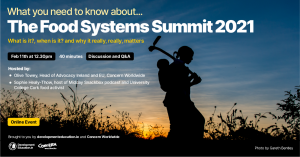
Join us on Thurs 11th February for an open discussion with Olive Towey and Sophie Healy-Thow to find out what’s happening at the summit and how you can play a role in transforming how we produce and consume food, and meeting the challenges of climate change.
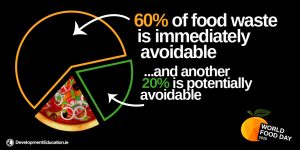
4 facts and 4 graphics about the state of food in the world today
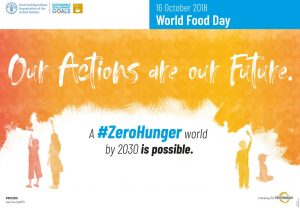
Tuesday next week, the 16th October, is World Food Day. Toni Pyke sketches out the background to the international day and introduces a new #ZeroHunger
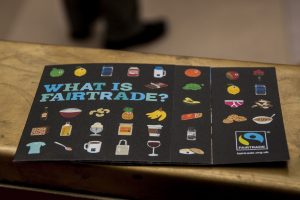
Photo: World Fairtrade Day by John Sargent. Flickr/CC BY-NC-SA 2.0 Anyone who buys, sells or stocks goods that have achieved Fairtrade certification are not engaging
In the second of a series of blogs about the impact and consequences of Ebola in Sierra Leone, Africa Research Institute researcher Jamie Hitchen, back in
Cartoon of the month for August 2014. Visit the cartoons library or visit our sections on consumption and ethical consumption.
Non-communicable Diseases (NCDs) are those that are not passed from person to person. Often, they are referred to as chronic diseases, in that they progress slowly
Are we inevitably heading for disaster given current (over)consumption trends? What can be done and who needs to do it? 9 Billion 86% 32:1 72
No better time to consider what’s on and off our plate than in the wake of the European horsemeat scandal. Had you ever, prior to
How can we feed the world—today and tomorrow? The biggest players in the food industry—from pesticide pushers to fertilizer makers to food processors and
There are two sides to the current world food crisis: with food shortages for hundreds of millions of people in developing counties resulting in widespread
Here’s a short article I wrote on ‘food dumping’ that is cross-posted from Eco-Age, an online UK magazine which covers a wide range of areas
Shocking statistic of the week: Consumers in rich countries dispose of 220 million metric tons of food waste every year, equal to the entire food
Drought and famine are not extreme events. They are not anomalies. They are merely the sharp end of a global food system that is built
Check out the “The Food Vendor,” a story illustrating staple foods around the world and the issues of rising food prices as experienced by the poor.