World Refugee Day 2026: 5 resources for teaching refugees, migration and solidarity

World Refugee Day 2026: 5 resources for teaching refuge, migration and solidarity

World Refugee Day takes place each year on 20 June. To mark the day, we’ve gathered five resources from the DevelopmentEducation.ie library to support teachers, educators, youth workers and learners exploring refugees, migration, Direct Provision, children’s rights, solidarity and action.
Refugees and migration are often discussed through numbers, headlines and political debate. But behind every story of displacement are people, families and communities seeking safety, dignity and the chance to rebuild their lives.

For educators, World Refugee Day offers an opportunity to create space for more informed, critical and human-centred conversations.

  • Why are people forced to leave their homes?
  • What does it mean to seek protection?
  • How do asylum and reception systems affect people’s lives?
  • What myths shape public attitudes?
  • And what can learners do with the knowledge and questions that emerge?

The five resources below offer different ways into these conversations, from senior primary to post-primary, youth and adult/community settings.

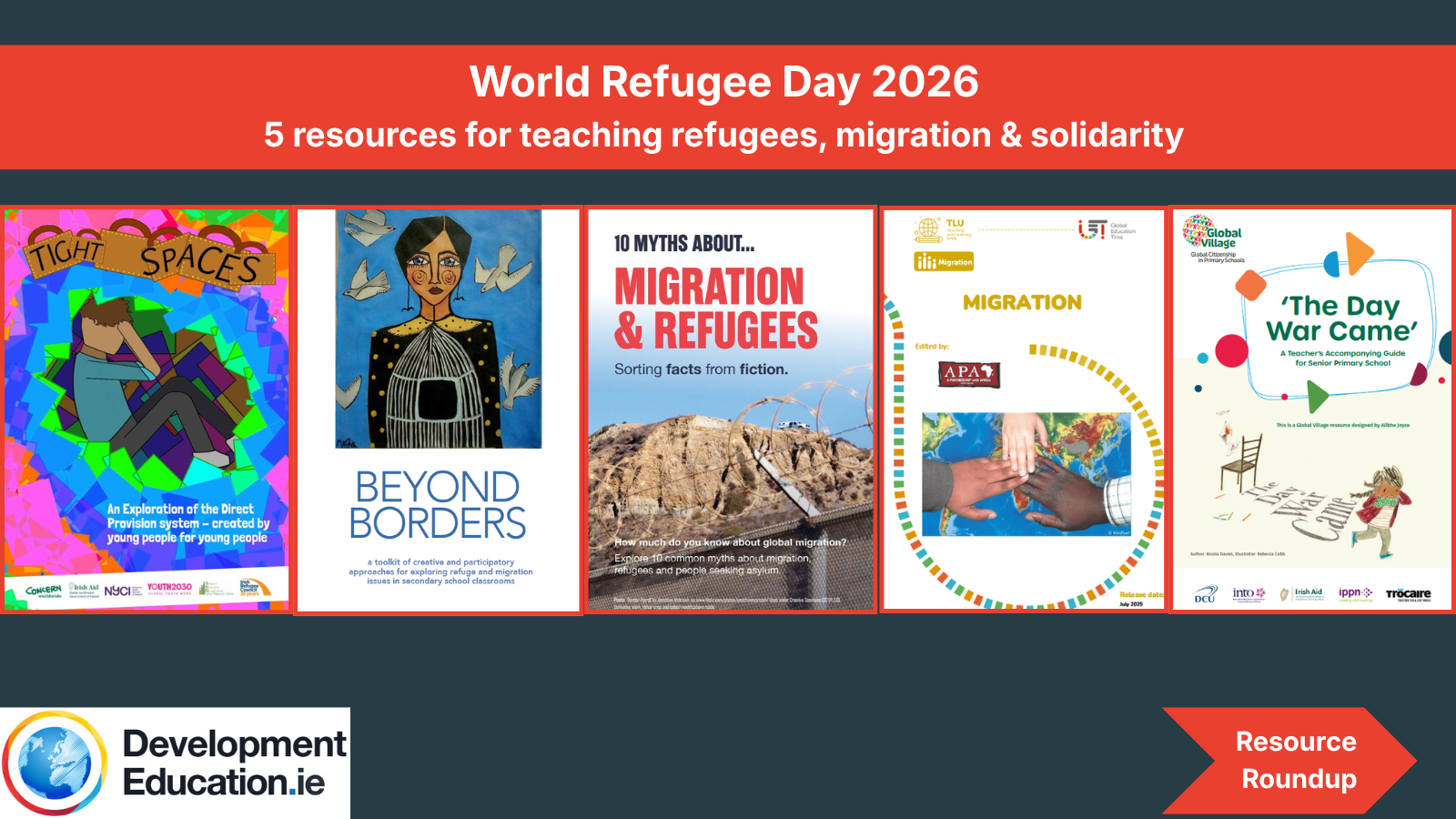
1. Tight Spaces

Tight Spaces is an educational resource on Ireland’s Direct Provision system, created by young people for young people. Developed by young people with first-hand experience of the international protection system in Ireland, the resource explores journeys to Ireland, life in Direct Provision, social exclusion, wellbeing, asylum seeking and mental health.

It includes activities, facilitator notes, role-play scenarios, video links and artwork created by young people. Its strength is that it begins with lived experience, inviting learners to listen, reflect and think critically about what safety, privacy, belonging and dignity mean in practice.

  • Best for: youth groups, 12–15 years, 16+
  • Themes: Direct Provision, children’s rights, asylum, wellbeing, solidarity

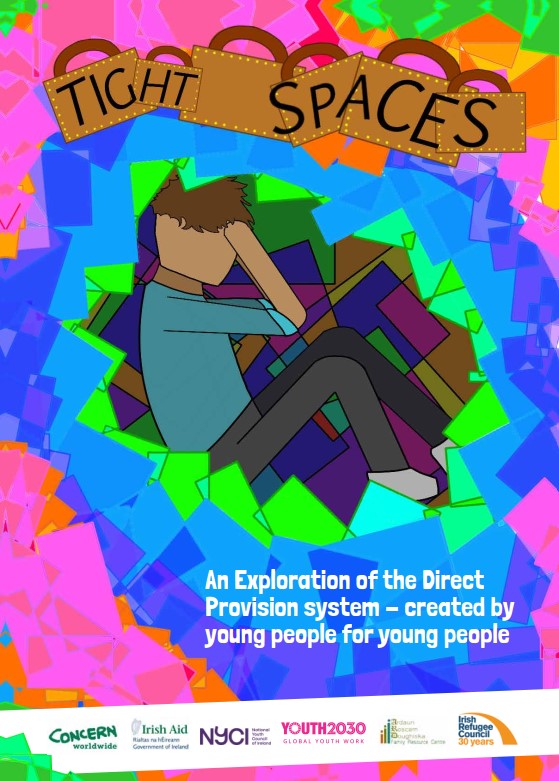
2. Beyond Borders

Beyond Borders is a toolkit of creative and participatory approaches for exploring refugees and migration in secondary school classrooms. Written by Vicky Donnelly and published by Galway One World Centre, it supports educators to work with complex and sensitive issues through active learning.

The toolkit combines background information with activities that explore the emotional, political and ethical dimensions of forced migration. It is particularly useful for teachers looking to move beyond information-sharing and towards deeper reflection, discussion and action.

  • Best for: post-primary educators
  • Themes: forced migration, refugees, stereotypes, activism, solidarity

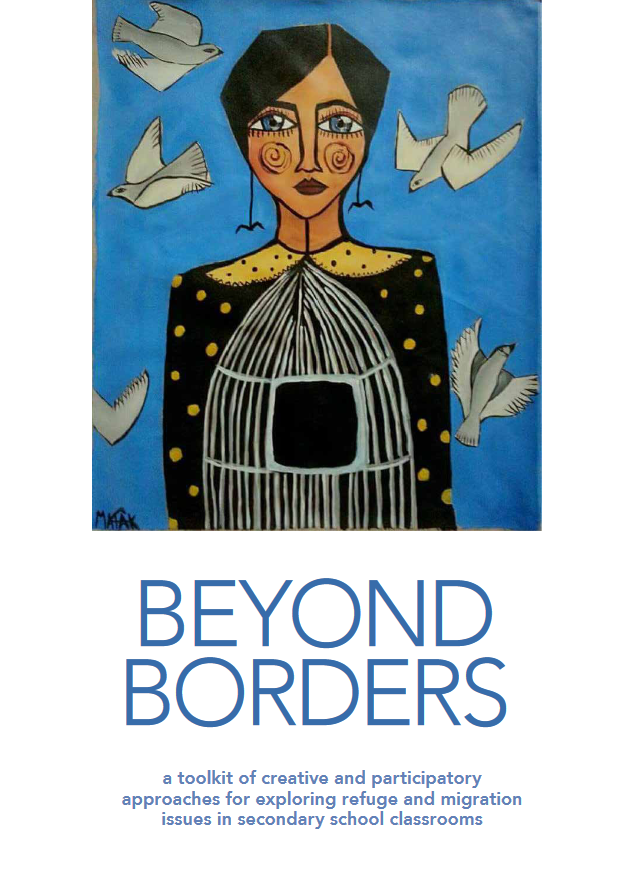
3. 10 Myths about Migration & Refugees

Migration is a topic where misinformation can spread quickly. 10 Myths About Migration & Refugees, part of the DevelopmentEducation.ie 10 Myths About… series, supports learners to question common assumptions and separate fact from fiction.

The booklet explores myths around why people migrate, push and pull factors, refugees and asylum seekers, access to safe routes, and links to the Sustainable Development Goals. It works well as a discussion starter, a media literacy activity or a way to challenge stereotypes in youth, classroom or community settings.

  • Best for: 16+, youth groups, adult and community settings
  • Themes: migration, refugees, misinformation, SDGs, critical thinking

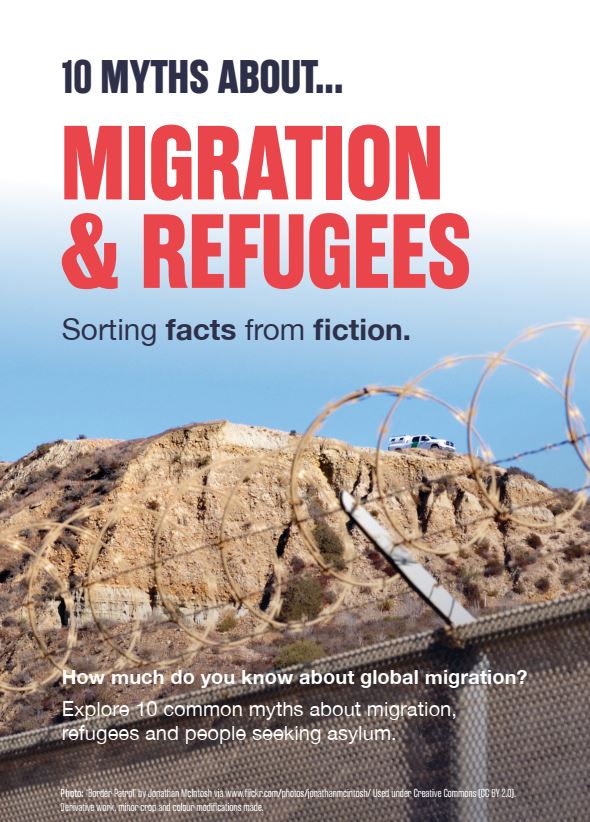
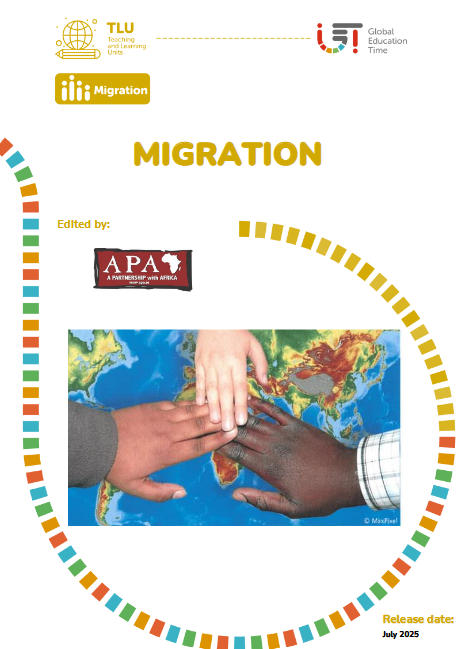
4. Migration Teaching & Learning Unit

The Migration Teaching & Learning Unit is a curriculum-linked resource for Junior Cycle and Transition Year. Developed through an international collaboration between education practitioners across Europe, it aims to support young people to explore migration locally and globally, and to consider how they can respond.

This resource is especially useful for teachers looking for a more structured unit rather than a once-off activity. It helps learners connect migration to rights, inequality, community, belonging and action.

  • Best for: Junior Cycle and Transition Year
  • Themes: migration, global citizenship, local-global links, action

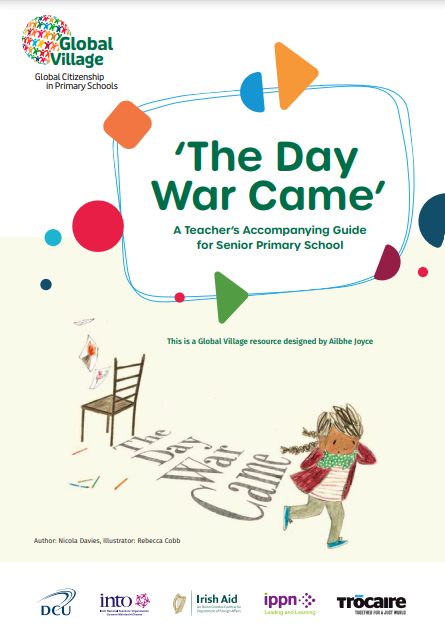
5. The Day War Came

For senior primary learners, stories can offer an accessible and thoughtful way into difficult topics. The Day War Came teacher’s guide supports teachers using Nicola Davies’ picture book to explore war, refugees, welcome and children’s rights.

The guide helps learners think about what it means to seek safety, what children need in order to feel safe, and how communities can respond with care and inclusion.

  • Best for: senior primary
  • Themes: refugees, war, children’s rights, empathy, welcome

Continuing the conversation

World Refugee Day is one day in the calendar, but the questions it raises are not one-day questions.

These resources can help educators explore refugees and migration in ways that are informed, participatory and rooted in dignity. They support learners to challenge myths, ask better questions and think about what solidarity can look like in practice, on World Refugee Day and beyond.

//

A Fossil Fuel Free Future?

There is scientific consensus that the burning of fossil fuels (coal, oil and gas) is the primary driver of climate change since pre-industrial times, and

//