
A Fossil Fuel Free Future?

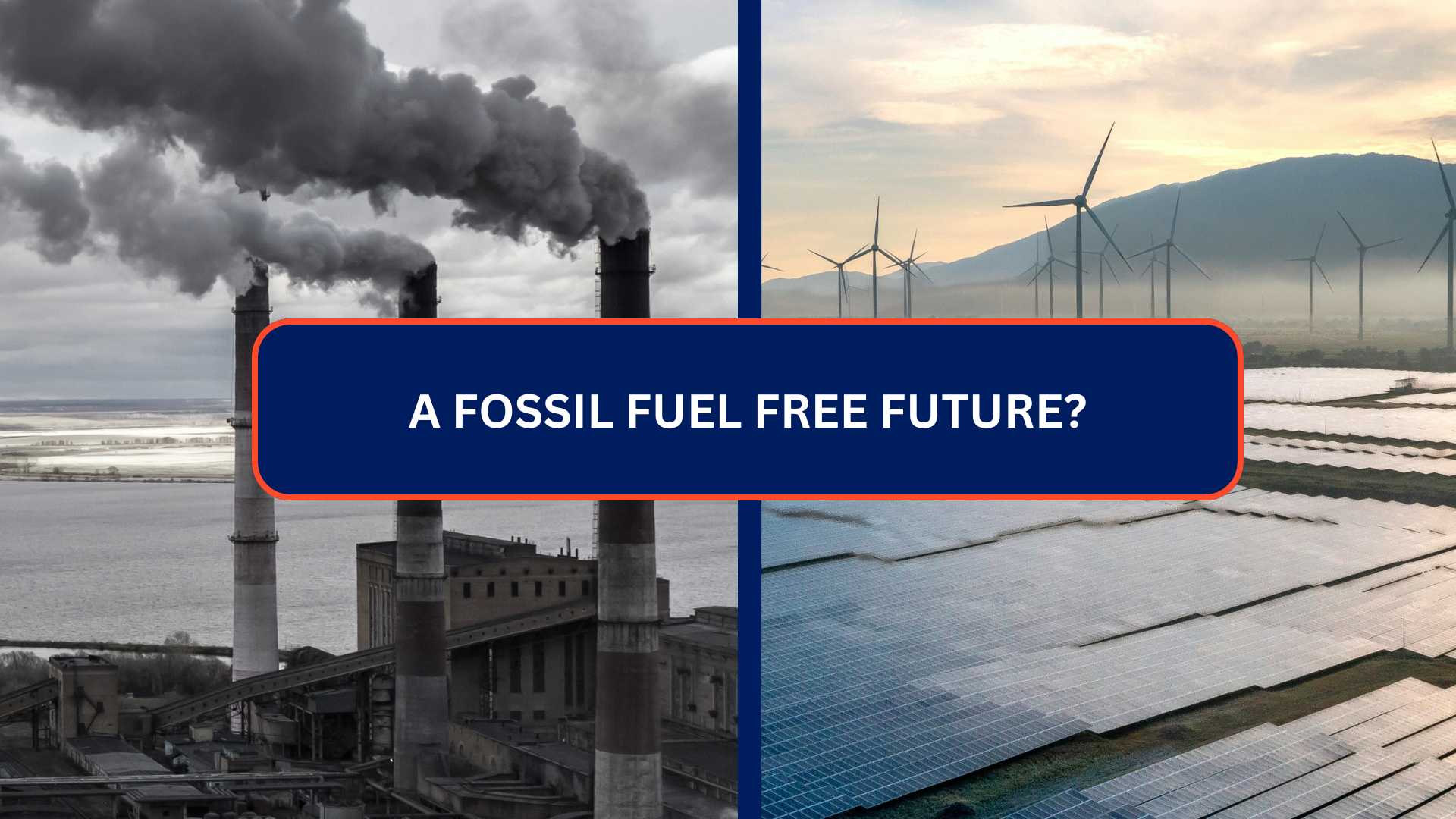
There is scientific consensus that the burning of fossil fuels (coal, oil and gas) is the primary driver of climate change since pre-industrial times, and that an urgent phase out of fossil fuels is necessary to prevent further devastation and destruction to people and the planet.

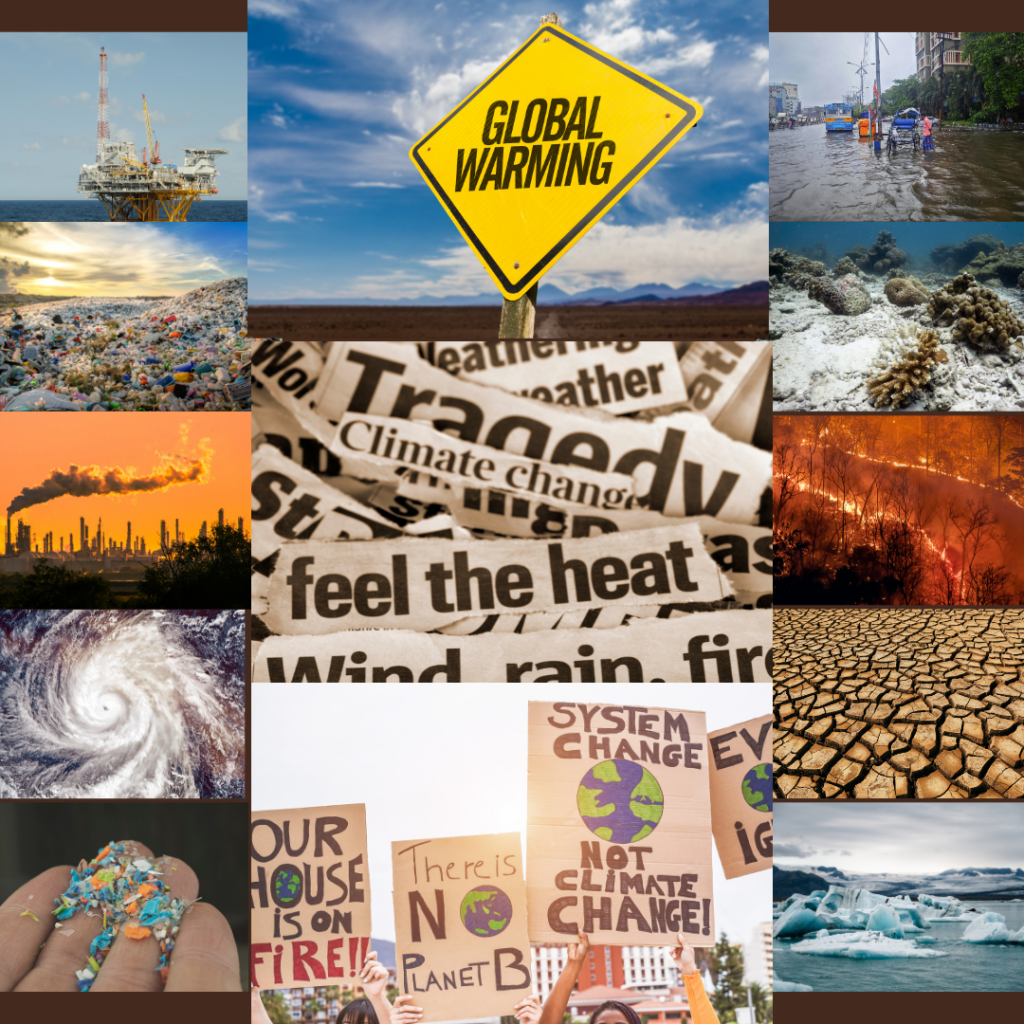
Since the industrial revolution, the burning of fossil fuels led to an increase in global temperatures by over 1-degree Celsius. The world’s oceans absorb 90% of this increase in global heat. Warmer ocean temperatures create stronger, more intense and frequent weather events, like storms, severe rainfall and hurricanes, that can destroy homes, demolish infrastructure and endanger human life. A global phase out of fossil fuels is key to enable the planet to heal from fossil-fuelled damage.

COP21

At the United Nations climate conference (COP21) in 2015, over 195 parties agreed to the Paris agreement, a legally binding international climate change treaty. Its overarching goal is to limit global warming to well below 2 degrees Celsius compared to pre-industrial levels. Although the United Nations provide essential forums for global climate action and discussions, like the Paris agreement, their consensus-based structures can slow down progress and allow blockers backed by polluting industries to stall necessary action on fossil fuel production.

The above was evident at the recent UN climate conference in November 2025. The final UN climate report in 2025 disappointingly erased any mention of fossil fuels due to pressure from fossil fuel interests.  The UN Secretary General, Antonia Guerries, acknowledged that fossil fuel and other vested interests undermine action by opposing researchers, scientists and journalists, dismissing scientific consensus, manufacturing false narratives about solutions, and getting policy makers to believe that the public opposes climate action when the opposite is true.

Image (C) Mairead Redmond

Climate Conferences

Although, the UN 2025 climate conference ended with some disappointments, there were several positive outcomes. For instance, Colombia’s Minister of the Environment, Irene Velez, pushed a global Fossil Fuel Non-Proliferation Treaty and urged country leaders to fulfil their duty to the people by protecting the foundation of all life. This treaty calls on countries to phase out fossil fuels, and to redirect funds to build an ambitious and responsible vision that aligns with our life support system – Earth.

This led to Colombia and Netherlands co-hosting the World’s first conference on transitioning away from fossil fuels in April 2026. This forum provided an opportunity for country leaders to break the deadlock with fossil fuels and address the root causes of the climate problem that is outside of the consensus-based framework of the UN. They intend to create the world’s first international framework to manage fossil fuel production.

Ireland’s role

Ireland and Tuvalu will be co-hosting the second conference on transiting away from fossil fuels in 2027. Tuvalu is a small island nation in the Pacific Ocean, and is on the frontline of the climate crisis. It is sinking due to sea-level rise and is predicted to be largely inhabitable by the end of the century. Tuvalu is advocating for immediate climate action and for wealthier nations to financially support less wealthier nations to create a just transition to a sustainable future.

Unfortunately, however, the Irish government is rolling back on climate commitments and the Minister for the Environment, Daragh O’Brien, is pushing to build a fossil-fuel infrastructure, known as the Liquified Natural Gas (LNG) terminal, along the Shannon, Co. Clare. Ireland is already heavily reliant on fossil fuels for energy generation and this infrastructure will prolong our reliance on fossil fuels.

The biggest energy users that is powered by fossil fuels in Ireland are Data Centres. Data centres consume over 20% of the energy grid in Ireland, and the government has given the go-ahead to build even more of them. Unlike households and companies’ energy usage fluctuating throughout the day, Data Centres require the same high level of energy 24/7. 

Friends of the Earth Ireland are bringing the Irish energy regulator to court to protest against the planned expansion of data centres that would nearly double the current energy consumption of the entire country if it goes ahead. Is Ireland really in a position to host a fossil-fuel transition conference if the Irish government is willing to further its reliance on fossil fuels?

End the Fossil Fuel Era Now by Matt Brown via Wikimedia under creative commons licence

On a more positive note, however, statistics show that people in Ireland and around the world are overwhelmingly in support of climate action. As Irish politicians, like all politicians, are public servants, and their primary role is to serve the needs and interests of the people. People need a healthy, habitable planet, and therefore, the politicians must fulfill their duty of care to people and the planet through implementing climate supportive systems.

It makes economic sense to invest in renewables because it builds energy security within the country that breaks away from price-volatile, toxic and geopolitically vulnerable fossil fuels. Renewables are now cheaper than fossil fuels which will only help power the push to renewables. Renewable energy, or “clean” energy, is electricity and heat generated from natural resources that continually replenish themselves, such as sunlight, wind, and water. Clean energy saved the European Union 51 billion in 2025 by cutting fossil fuel imports. There is a rapid expansion of renewables in many countries around the globe with global clean energy investment massively outnumbering fossil fuel investments. Could this be a signal that the majority of the world is nearing the end of the fossil fuel era?

//
//
//