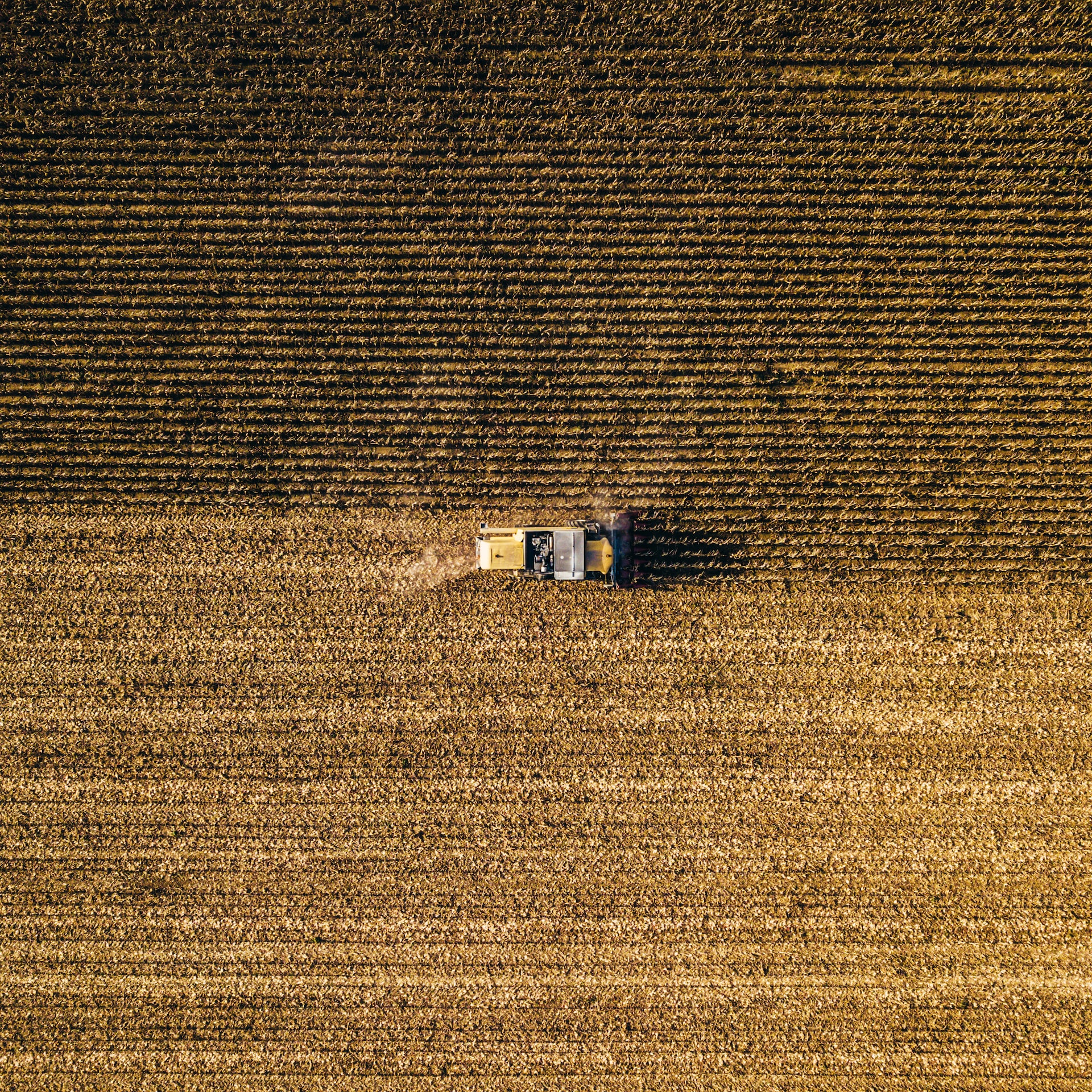
Biatorbágy, Szily Kálmán in Hungary, January 16, 2019. Photo by Bence Balla-Schottner on Unsplash
Why does the price of food keep rising? Has global hunger reduced over the last 5 years?
Welcome to the World Food Day live-blog series, gathering posts, reports, teaching activities and resources on a rolling basis in the lead-up to the 16th October that invite us to explore these connections, and more.
The World Food Day series is brought to you by Scoilnet, Concern Worldwide, Self Help Africa and developmenteducation.ie
//
16 October 2026
16:44
The world produces enough food to feed everyone, yet millions of people continue to experience hunger. In World hunger facts: 13 things to know in 2026, Concern Worldwide explores the latest available evidence on global hunger, drawing on the Global Hunger Index and examining how conflict, climate shocks and inequality continue to undermine food security.
A useful starting point for discussing why hunger persists and what needs to change.
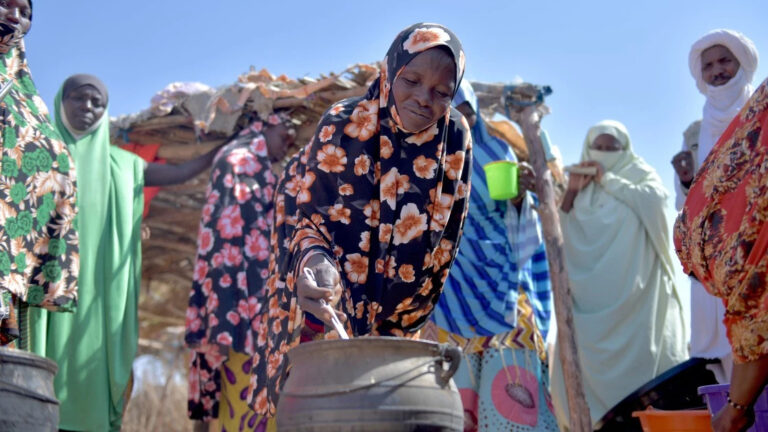
A culinary demonstration at the Ouallam displacement site, Niger. Photo: Ali Abdoulaye / Concern Worldwide
Could Africa play a greater role in feeding the world? In an opinion piece published in the Irish Independent for World Food Day 2026, Self Help Africa Chief Executive Niamh De Loughry highlights the continent’s land, labour and ambition to become a global breadbasket.
The article provides a perspective for exploring Africa’s agricultural potential and the wider questions surrounding the future of global food production.
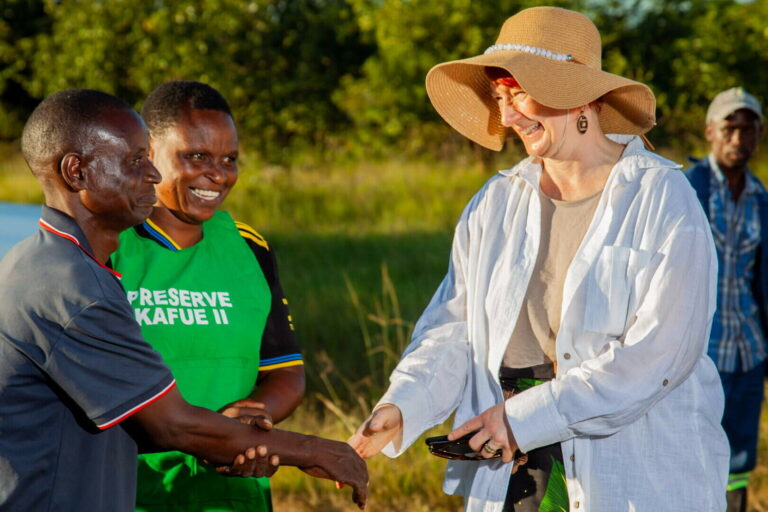
Niamh de Loughry (right), CEO of Irish aid agency Self Help Africa, meets farmers on a visit to Zambia ahead of World Food Day / Irish Independent
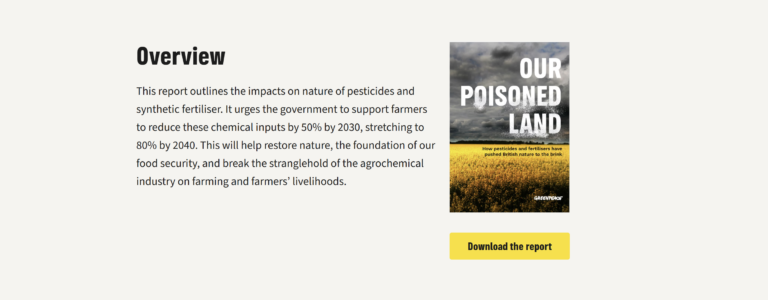
How are synthetic pesticides and fertilisers affecting the ecosystems we depend on for food? Greenpeace UK’s report Our Poisoned Land examines their impact on biodiversity, soil, waterways and wildlife, while highlighting the growing dependence of agriculture on chemical inputs.
The report also calls for greater support for farmers to reduce chemical use and adopt more nature-friendly approaches to food production.
Europe’s nature protection laws are under pressure. The Hands Off Nature campaign calls for stronger protection of forests, rivers, wildlife and natural habitats, warning against efforts to weaken existing environmental safeguards.
As we explore the links between biodiversity and food systems this World Food Day, the campaign offers an opportunity to consider how environmental policy shapes the future of nature and food production.
Here’s interesting recent episode on the Earth Charter Podcast about the benefits and challenges of granting rights to nature. This episode’s guest features South African environmental lawyer and activist Cormac Cullinan. Cormac speaks about active and recent examples of ecological laws/legal proposals.
Cormac also reflects on the influence of the 2010 Universal Declaration of the Rights of Mother Earth and the experimental and restorative role of the International Rights of Nature Tribunal.
12 October 2026
15:26
In the third part of the World Food Day series, Mairead Redmond explores the harmful effects of monocultures and a few companies dominating the agriculture and food industry.
The series is accompanied by suggested activities to adapt for teaching and learning.
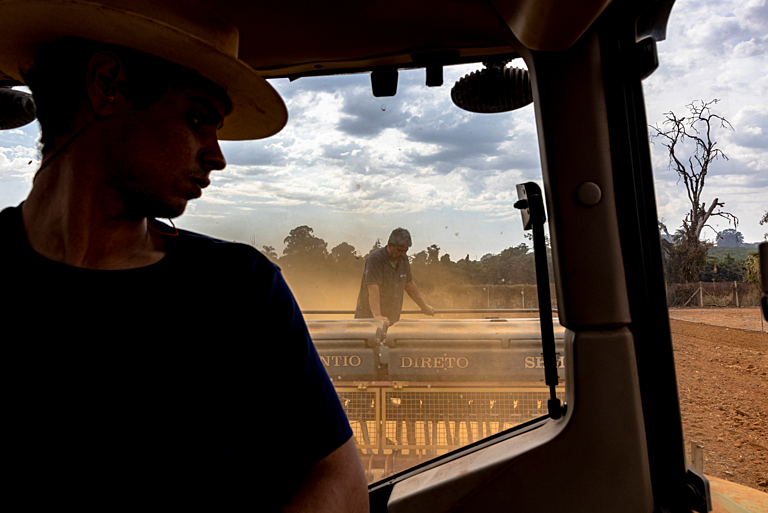
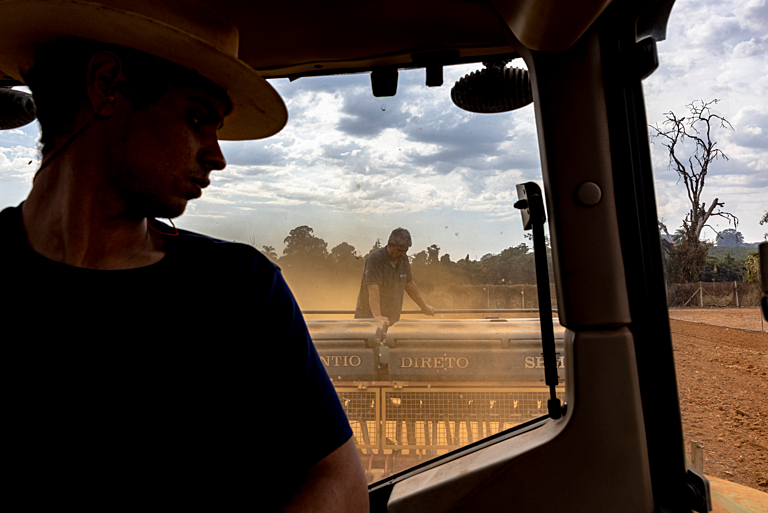
A rural worker works in the fields of a monoculture plantation. The region is one of the country’s main sugarcane producers. São Paulo State, Brazil. July 25th 2025. Photo by Victor Moriyama / Climate Visuals.