What does a cappuccino in Dublin have to do with migration in Nicaragua? In the latest episode of the Irish Global Solidarity in 100 Objects podcast, the answer comes from Fátima Ismael, General Manager of SOPPEXCCA (Association of Small Coffee Producers and Exporters), a union of 18 coffee cooperatives in northern Nicaragua.
Her story connects Irish consumers with small farmers thousands of miles away, showing how Fairtrade, long-term partnerships and conscious consumption can transform lives.
From literacy brigades to coffee leadership
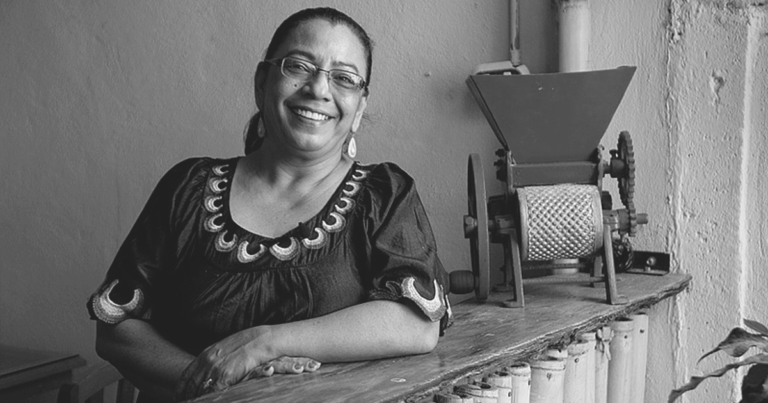
Fátima first joined Nicaragua’s National Literacy Crusade as a child, an experience that sparked her lifelong commitment to rural communities and small-scale farmers. She went on to study agricultural development at a time when few women were admitted to such programmes.
Taking on the management of SOPPEXCCA meant confronting entrenched gender barriers. The coffee sector, she recalls, was a “male-only world.” Since Fátima took on the role, the number of women managing cooperatives has risen from two to more than twelve.
“Somehow or another, if one of us as a woman pushes forward, others also have the courage to continue doing so.” — Fátima Ismael
Twenty years of solidarity in coffee
In 2005, SOPPEXCCA began exporting coffee to Bewley’s in Ireland, with the first shipment amounting to 250 bags. Two decades later, more than 50,000 bags have been exported, with over $1.5 million in Fairtrade premiums invested in education, reforestation, child labour prevention and food security.
These investments, Fátima explains, have strengthened rural families, reduced poverty and even helped prevent forced migration.
“Peace can only be achieved with social justice and with a social economy where the investments of an organisation are in the hands of true owners—the small-scale producers.” — Fátima Ismael
The Bewley’s perspective
From the Bewley’s side, the partnership reflects values that go back to the company’s Quaker roots. As Cathal Murphy, Head of Innovation and Sustainability at Bewley’s, explains: the guiding principle is simple—“we do the right thing because it’s the right thing to do.”
Bewley’s was the first company in Ireland to source Fairtrade coffee back in 1996. By the time SOPPEXCCA entered the picture in 2005, there was already a strong commitment to fairer and more sustainable sourcing. Over time, this has grown into a relationship based not only on quality, but also on shared responsibility for communities and the environment.
Consumers, coffee and global connections
For Irish consumers sipping coffee in Bewley’s Grafton Street café, the connection may be invisible. But every Fairtrade purchase helps ensure sustainable livelihoods for farming families, supports education, and protects the environment.
The SOPPEXCCA–Bewley’s partnership has also weathered challenges together—from global price crashes to the COVID-19 pandemic—proving that Fairtrade is not just a logo but a long-term relationship of solidarity.
This is what Fátima calls the “circle of teaching, learning and accompaniment” that links producers, companies and consumers in shared responsibility.
Education for life
Towards the end of the conversation, Fátima speaks of the importance of educators. Teaching children about Fairtrade, she stresses, is part of “education for life.”
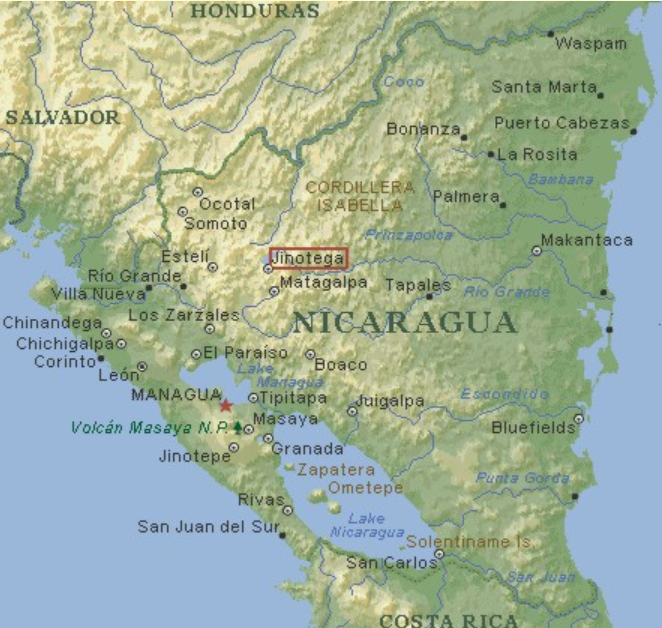
Understanding that everyday choices affect global justice is, in her words, as important as learning maths or science. Our daily coffee choice can connect us into a wider chain of solidarity, stretching from the mountains of Jinotega to the cafés of Dublin.
Listen to the Episode
Hear more from Fátima about SOPPEXCCA’s journey, 20 years of partnership with Bewley’s, and the importance of Fairtrade in terms of Irish global solidarity.
This episode includes contributions from Cathal Murphy, Head of Innovation and Sustainability at Bewley’s and Kieran Durnien, a Fairtrade practitioner in sustainability and supply chain management particularly small farmer organisations and the communities in which they operate in Central America.
Credits
The Irish Global Solidarity in 100 Objects podcast is hosted by Ciara Regan.
This episode was produced by Tony Daly and Catherine Howley. Music by Jump Lead.
It is brought to you by developmenteducation.ie and supported by Irish Aid.
Special thanks to Kieran Durnien and Catherine Howley for their translations, which enabled Fátima Ismael’s voice from Nicaragua to be heard in this conversation.
Show notes:
- Read more about Fátima in this interview by Irish activist Sinéad Burke: Extraordinary Women -Fátima Ismael Espinoza
- Watch this short documentary on SOPPEXCCA – subtitled in English
- Check out the Fair Trade Ireland profile on SOPPEXCCA
- See the Bewley’s Fair Trade statement as featured in Irish Global Solidarity in 100 Objects exhibition
- More on Bewley’s Fairtrade commitment
Teaching Resources on Fair Trade:
- Post Primary: Going Beyond the Symbols: Ethical Consumerism and Fair Trade for Post-Primary Education
- Primary: Focus on Fair Trade Senior Primary
- Whole-School Resource: Fair Trade School Handbook
- Youth Groups, Adult & Community Settings: Ethical Consumerism and Fair Trade for Community Groups
Available on



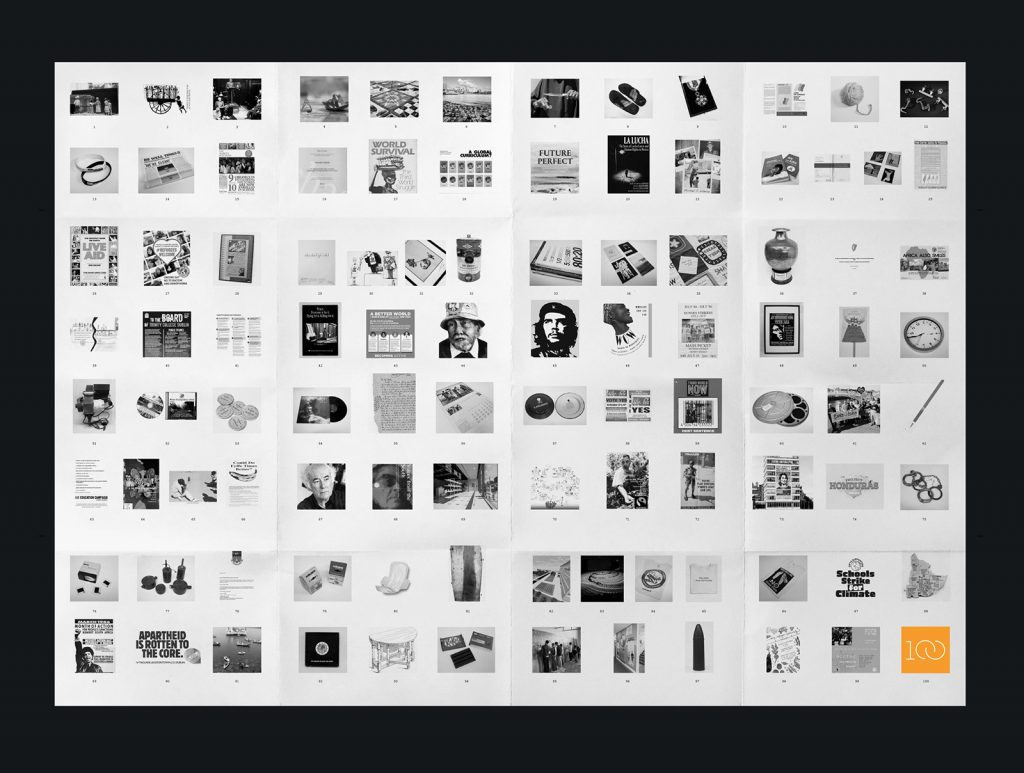

Explore the posters, games, badges, books and more from the Irish Global Solidarity in 100 Objects exhibition online.